Quick answers
The bathroom walls and ceiling above the tiles are peeling from steam. How are they repaired, and when is a false ceiling used?
If the bathroom tiles are still sound, the peeling walls and ceiling above them are scraped back, repaired and repainted. During a full renovation, a moisture-resistant plasterboard ceiling can also be fitted to hide pipes and house recessed lighting.
In bathrooms where wall tiles stop short of the ceiling, the strip of plastered wall above them and the ceiling itself soak up steam from every shower. Over time the paint blisters, spots with mould and peels away.
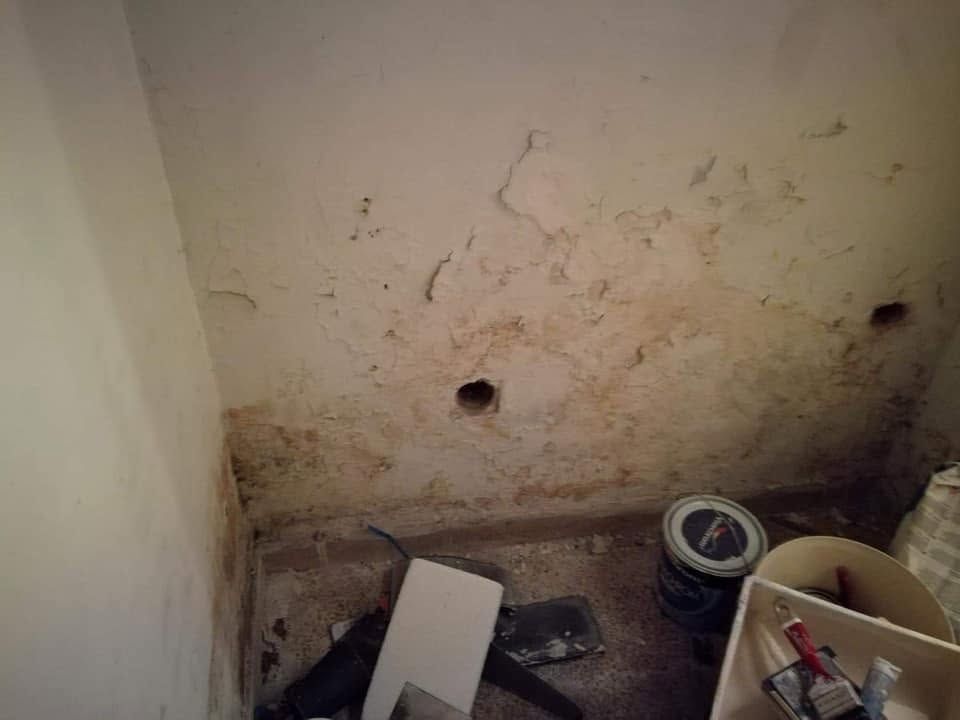
When the tiles and fixtures do not need replacing, old fittings are removed, all flaking paint and loose plaster above the tiles are scraped back, and the surface is filled smooth and repainted white.
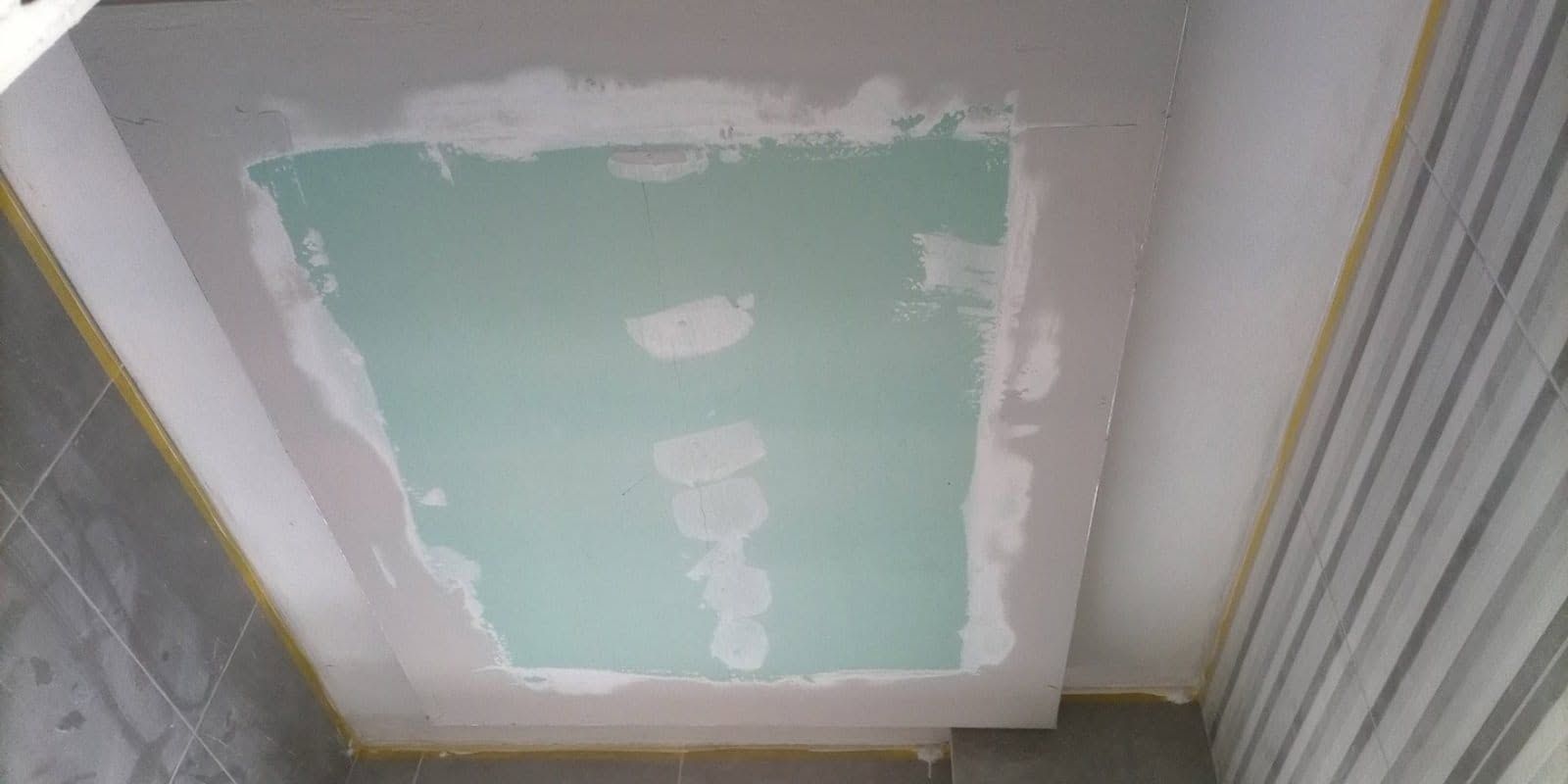
During a full bathroom strip-out, a plasterboard false ceiling can also be installed, taped, filled and painted to conceal overhead wiring or pipes and leave a crisp, level ceiling.
Jobs that show it
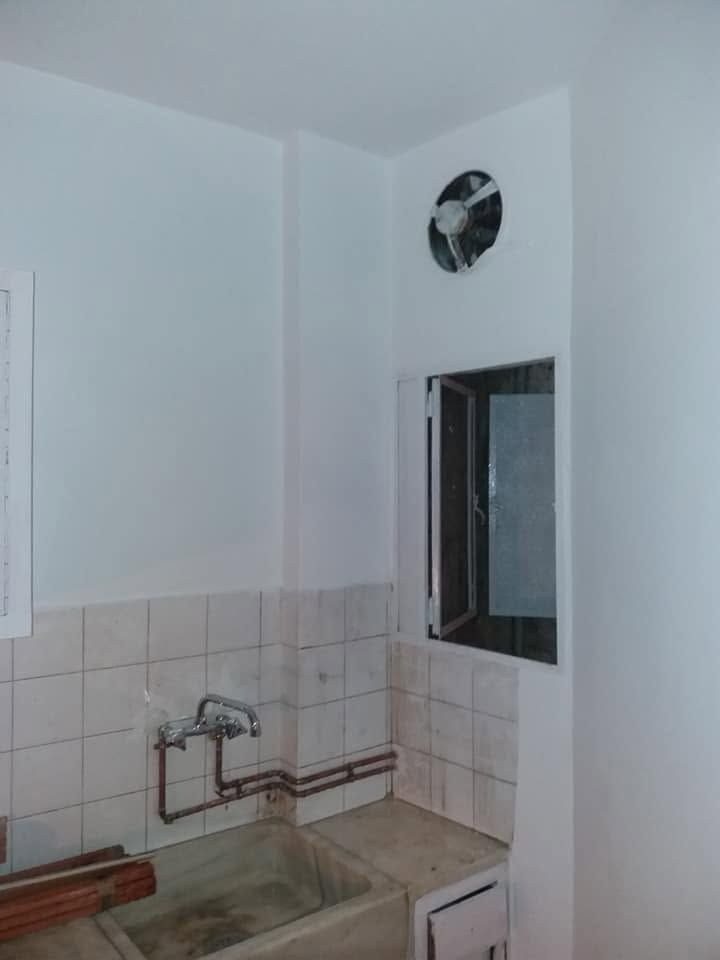
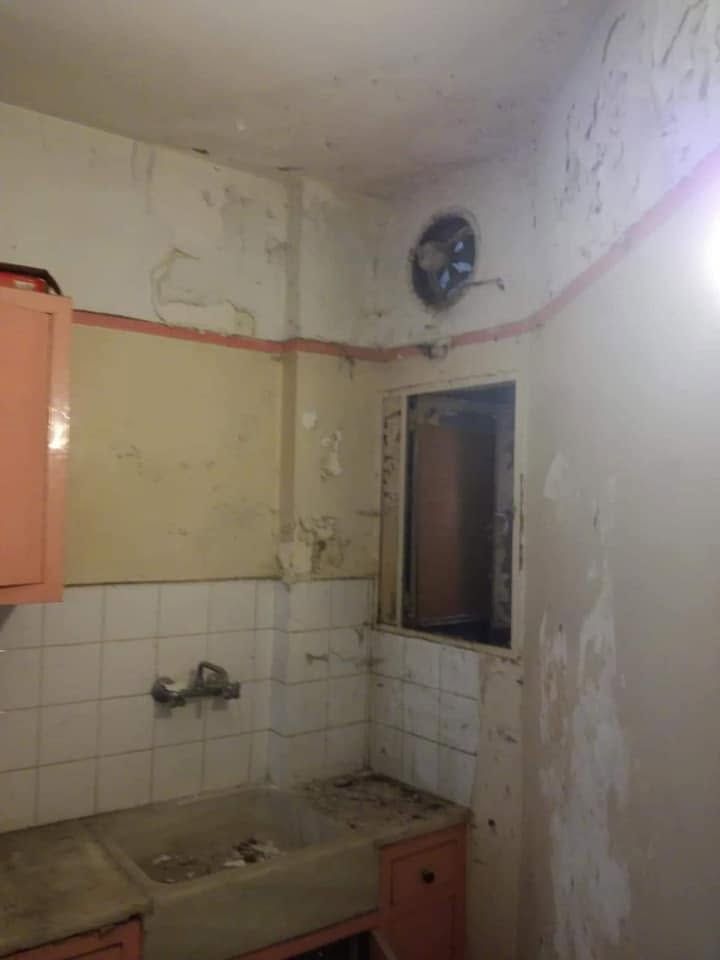
Bathroom With Peeling Walls Restored
The walls and ceiling above the tiles were stained by damp and peeling. The old fittings came out, and the surfaces were repaired and painted white.
See the job step by step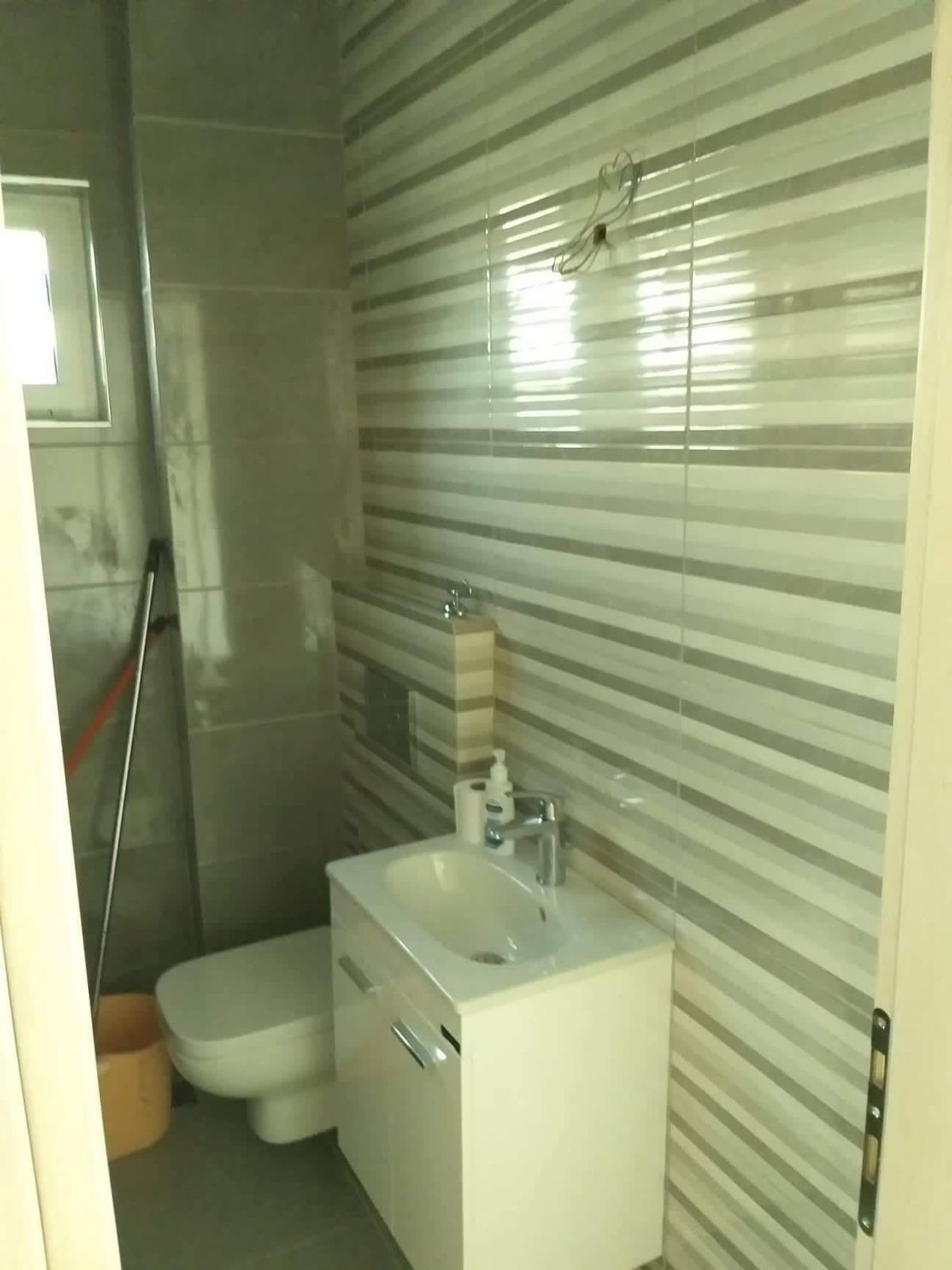
Bathroom Renovation with Striped Tiles
An old bathroom with a bathtub was stripped back to the brick and rebuilt with new pipework, a plasterboard ceiling and striped tiles.
See the job step by step