Quick answers
Why do plaster and paint blister above and below windows, and how is that repaired?
Around windows — at the lintel above, around the shutter box and beneath the marble sill — moisture often creeps in through exterior gaps or condensation. The damaged plaster is scraped back, filled, primed and repainted.
The areas right above a window lintel, around the roller-shutter box and beneath the window sill near the radiator are often the first places inside a room to blister or show yellow damp stains. Rainwater finds tiny cracks along the outside frame or under the marble sill and soaks into the wall.
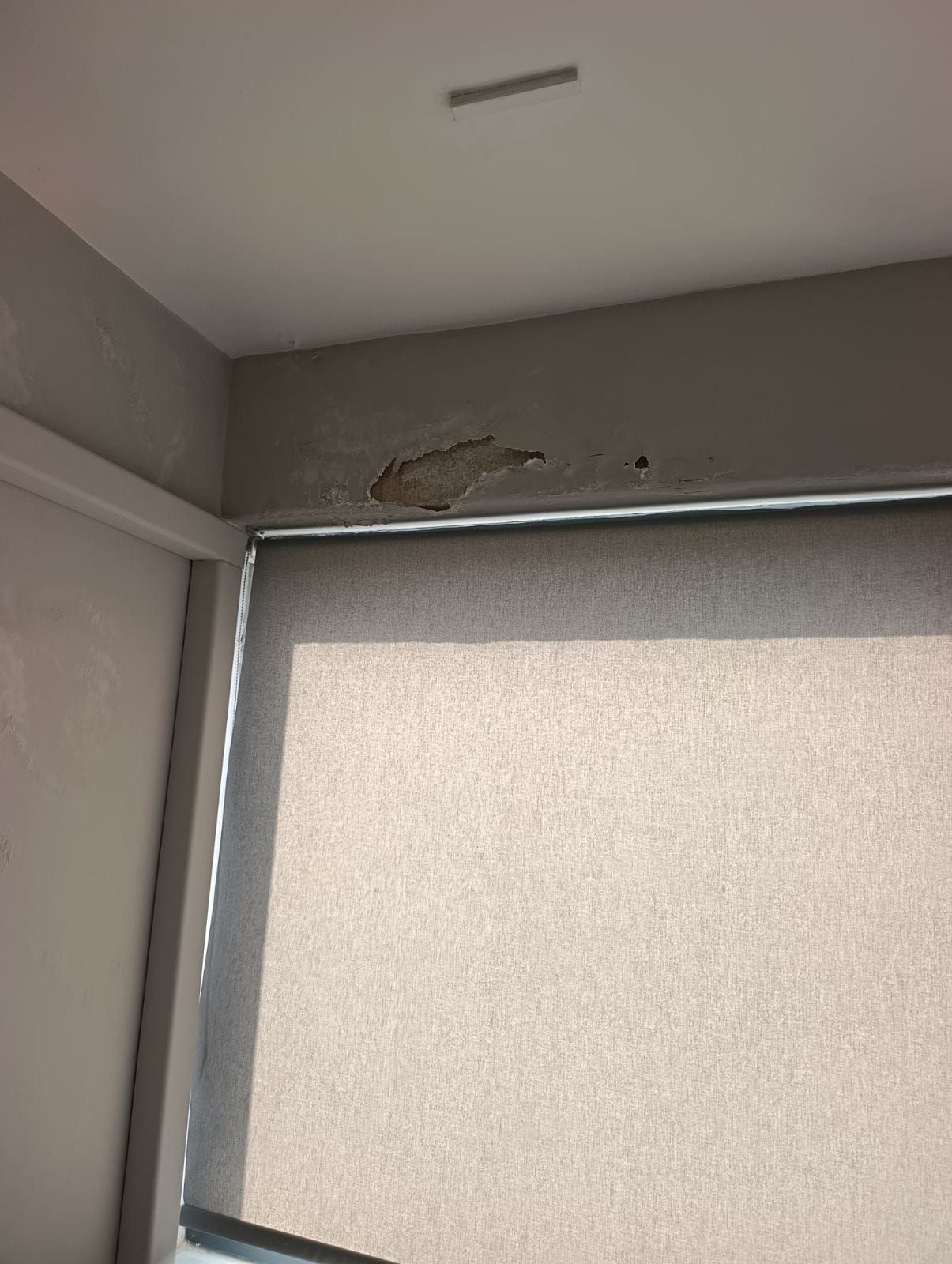
Above this window, the plaster had blistered and flaked away. All loose material was scraped back to a solid base, rebuilt and sanded flush with the surrounding wall, and then painted.
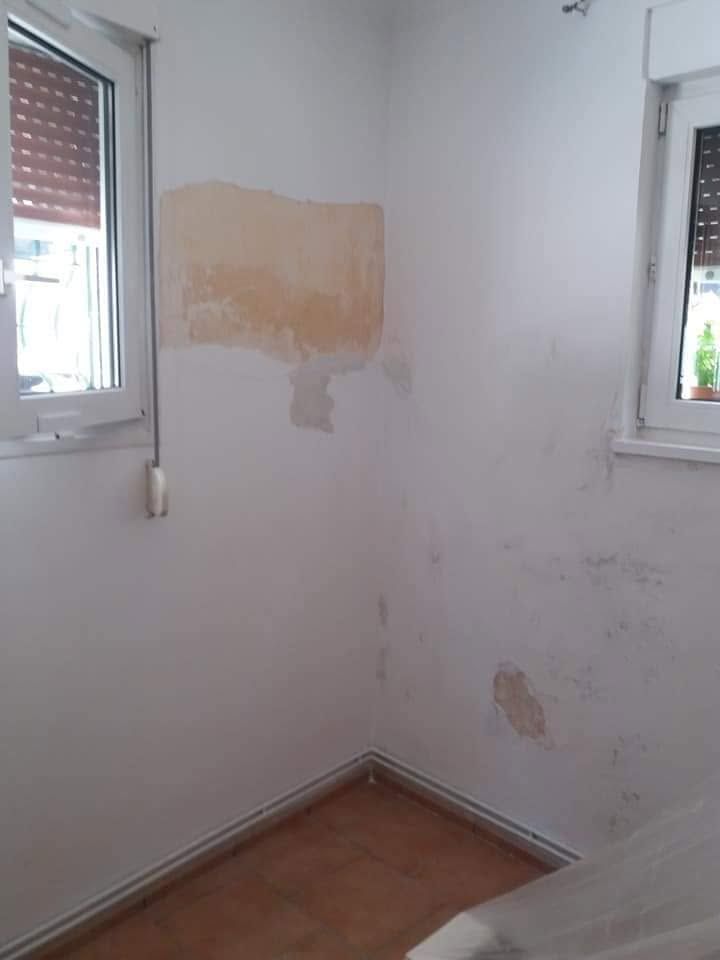
Likewise, where damp stains have formed beneath windows and beside radiators, the damaged patches are scraped, filled, sealed with stain-blocking primer so discolouration cannot bleed through, and the room is repainted.
Jobs that show it
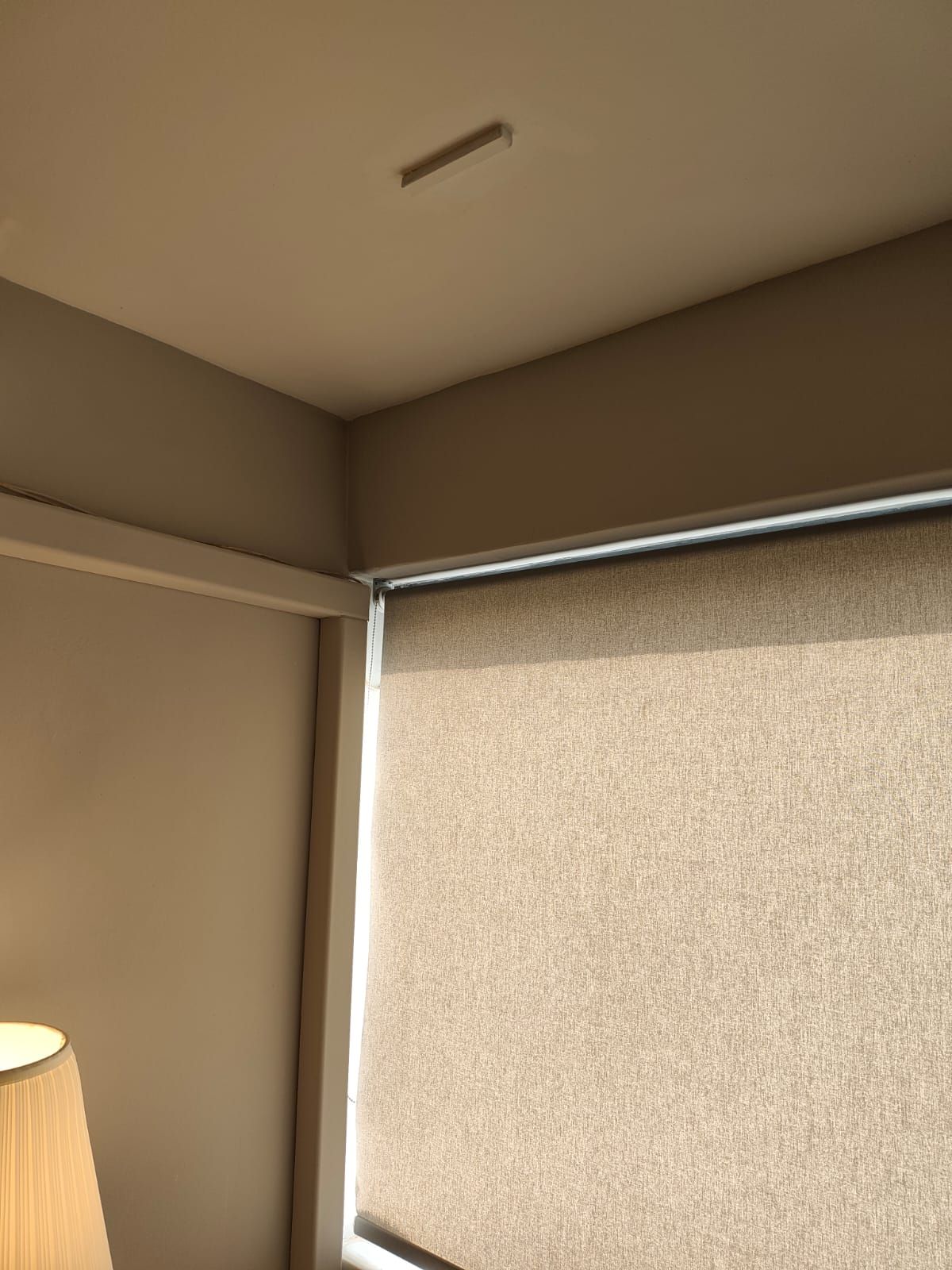
Repair and Paint Above a Window
Above a window the plaster had peeled away. It was repaired and painted, and the surface looks smooth and even again.
See the job step by step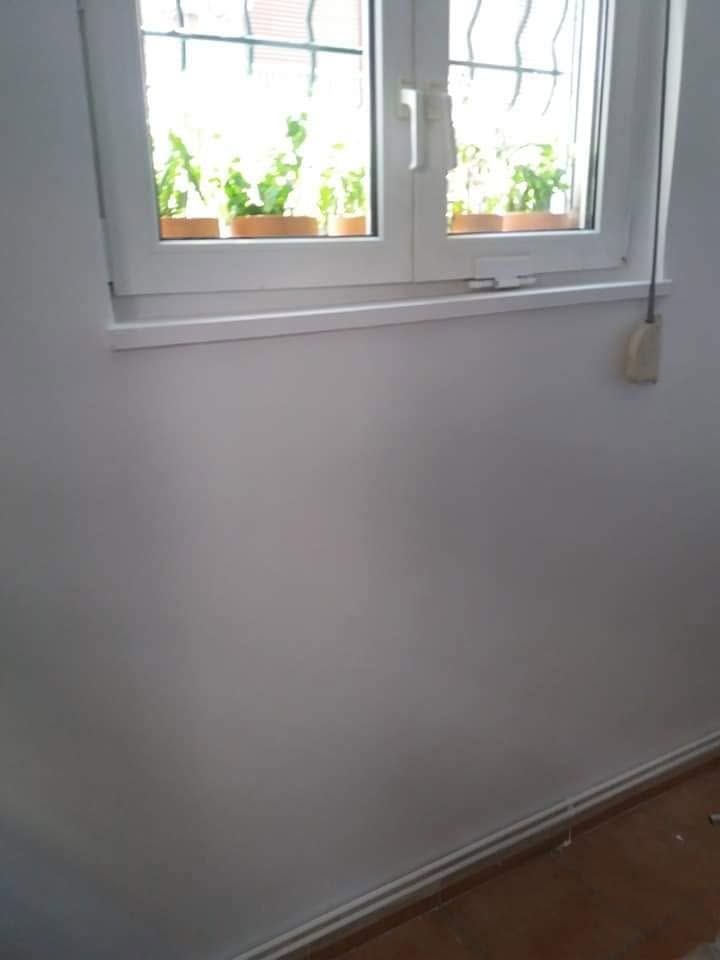
Repairing and Repainting a Stained Room
Stains and damaged spots under the windows were repaired and the room was repainted in one even, light colour.
See the job step by step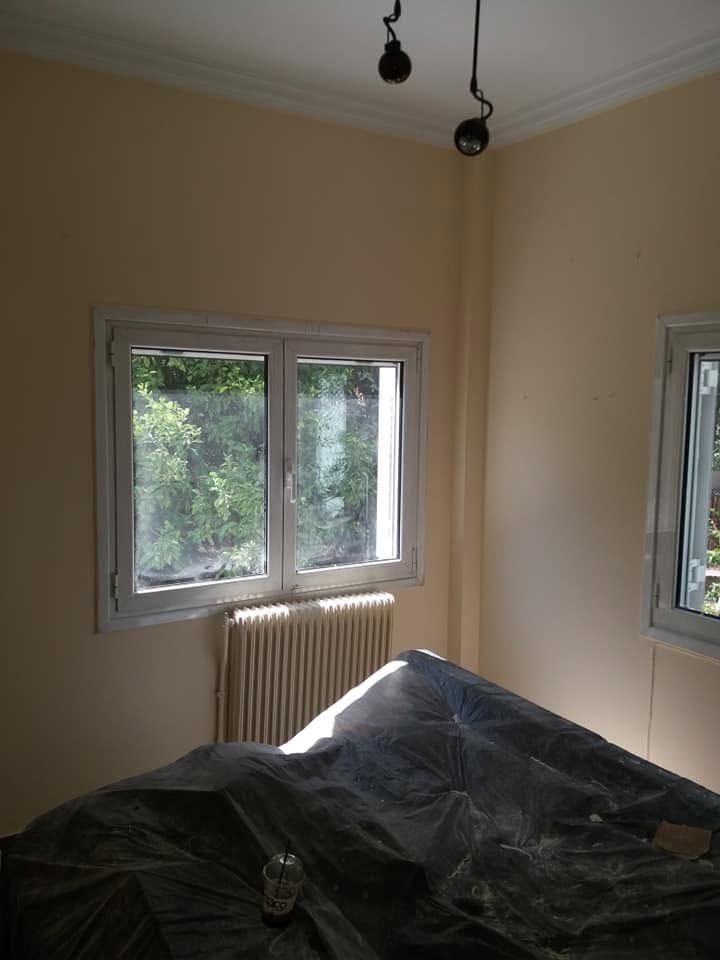
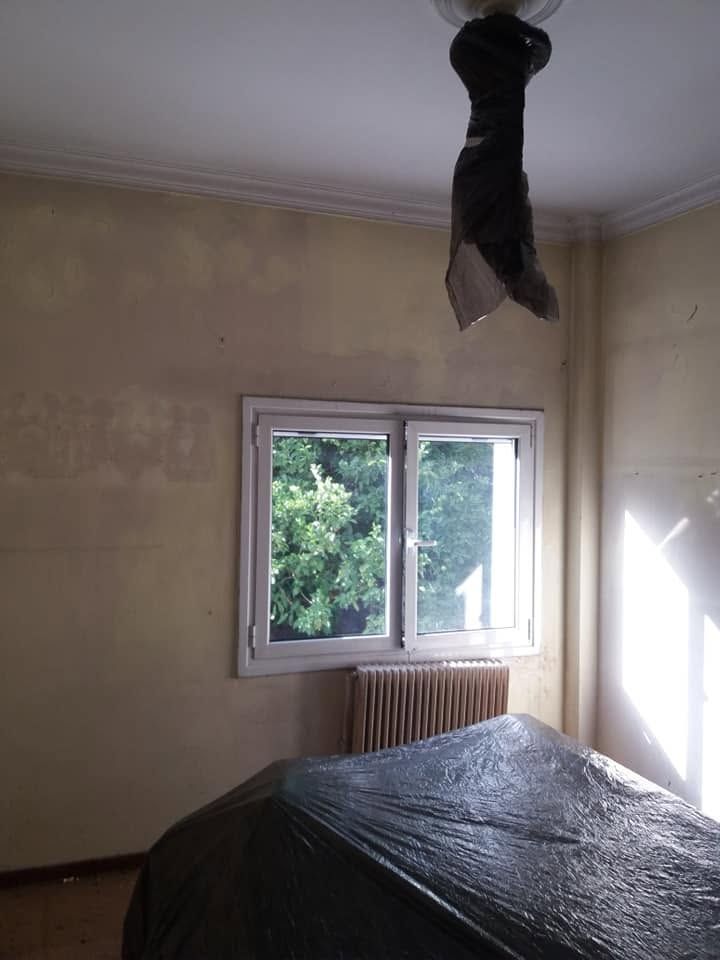
Apartment Repainted in Warm Colours
Peeling paint and stains around the windows. Scraping, filling and painting in soft yellow and peach.
See the job step by step