Sanding
In other languages: Τρίψιμο
Smoothing a surface with sandpaper or a power sander to remove bumps, loose old paint or gloss, so the new paint or varnish grips well and comes out smooth.
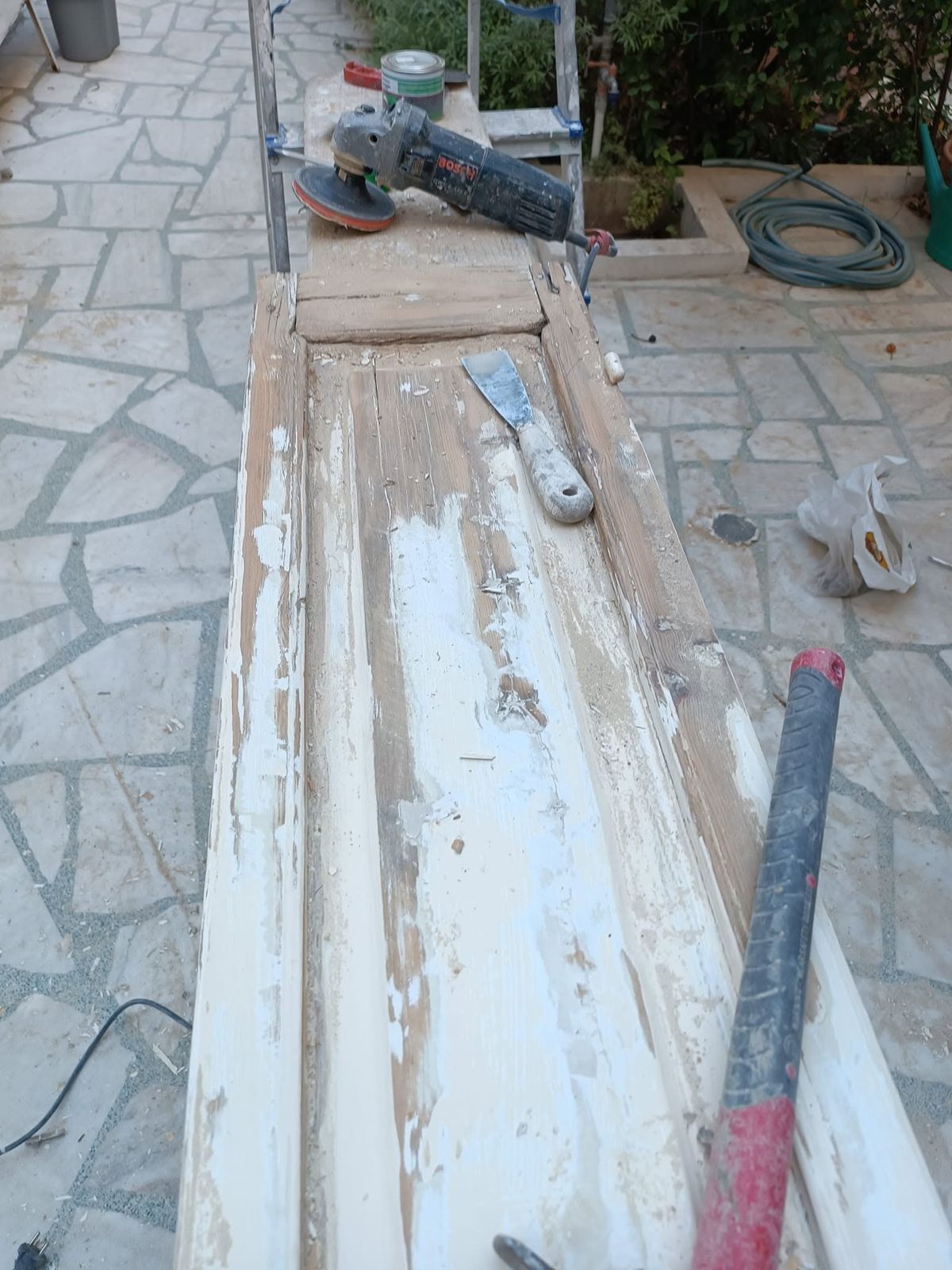
Sanding is part of almost every job of preparing for paint. On walls, filled patches are sanded so they do not show under the paint, and old glossy paint is sanded to key the surface so the new coat grips. On wood, sanding removes old paint and varnish and the grey, weathered top layer until sound wood shows.
It is done by hand with sandpaper or a sanding sponge, or with a power sander on large areas. You start with a coarse grit and finish with a finer one, and on wood you always sand along the grain.
Sanding makes a lot of fine dust. Furniture and floors are covered, and the dust is cleaned off before priming, because paint does not bond to dust. Very old paints may contain lead; those should not be dry-sanded without protection.
Where you'll see it
- Quick answersWhy is the paint peeling off my walls?
- Quick answersA piece of plaster fell off the ceiling. What now?
- Quick answersMy ceiling has a rough textured finish. Can it be made smooth?
- Quick answersCan I refresh my kitchen by painting the walls, doors and cupboards without ripping out the units?
- Quick answersOur walls are painted a strong colour (lime green, blue, mint). How do you turn them pure white without the old shade showing through?
- Quick answersWhy do plaster and paint blister above and below windows, and how is that repaired?
- Quick answersI want to brick up an interior doorway or wall opening between two rooms. How is it done so no joint shows?
- Quick answersPart of my wall is damaged. Is it enough to patch and paint just that spot?
- Quick answersThe plumber and electrician opened up the walls. How are they closed so nothing shows?
- Quick answersA leak caused plaster to fall and left a hole in the ceiling. When and how should it be repaired so it doesn't fall again?
- Quick answersWhy does the wall paint and plaster blister and peel right next to a door or balcony door, and how is it fixed?
- Quick answersMy wooden shutters are faded and peeling. Can they be saved or do they need replacing?
- Quick answersCan I paint my shutters over the old paint without sanding?
- Quick answersShould I paint or varnish my wooden shutters and door?
- Quick answersMy wood has gone grey and cracked. Does that mean it's rotten?
- Cracks, Loose Plaster and Rusty Steel: A Guide to Small RepairsCracks and Loose Plaster
- Cracks, Loose Plaster and Rusty Steel: A Guide to Small RepairsWhen Rusty Steel Shows Through
- Cracks, Loose Plaster and Rusty Steel: A Guide to Small RepairsDamp Patches: the Cause Comes First
- Cracks, Loose Plaster and Rusty Steel: A Guide to Small RepairsAfter the Plumber or Electrician
- Wooden Shutters, Doors and Pergolas: A Restoration GuideWhy Outdoor Wood Wears Out
- Wooden Shutters, Doors and Pergolas: A Restoration GuidePaint or Varnish?
- Wooden Shutters, Doors and Pergolas: A Restoration GuideRestoration Step by Step
- Wooden Shutters, Doors and Pergolas: A Restoration GuidePergolas, Lattice and Regular Upkeep
- Damp and Fire-Damaged Rooms: The Work Before the PaintPlaster, Filler and Primer
- Interior Renovation: From Filling to FinishWhy Prep Matters Most
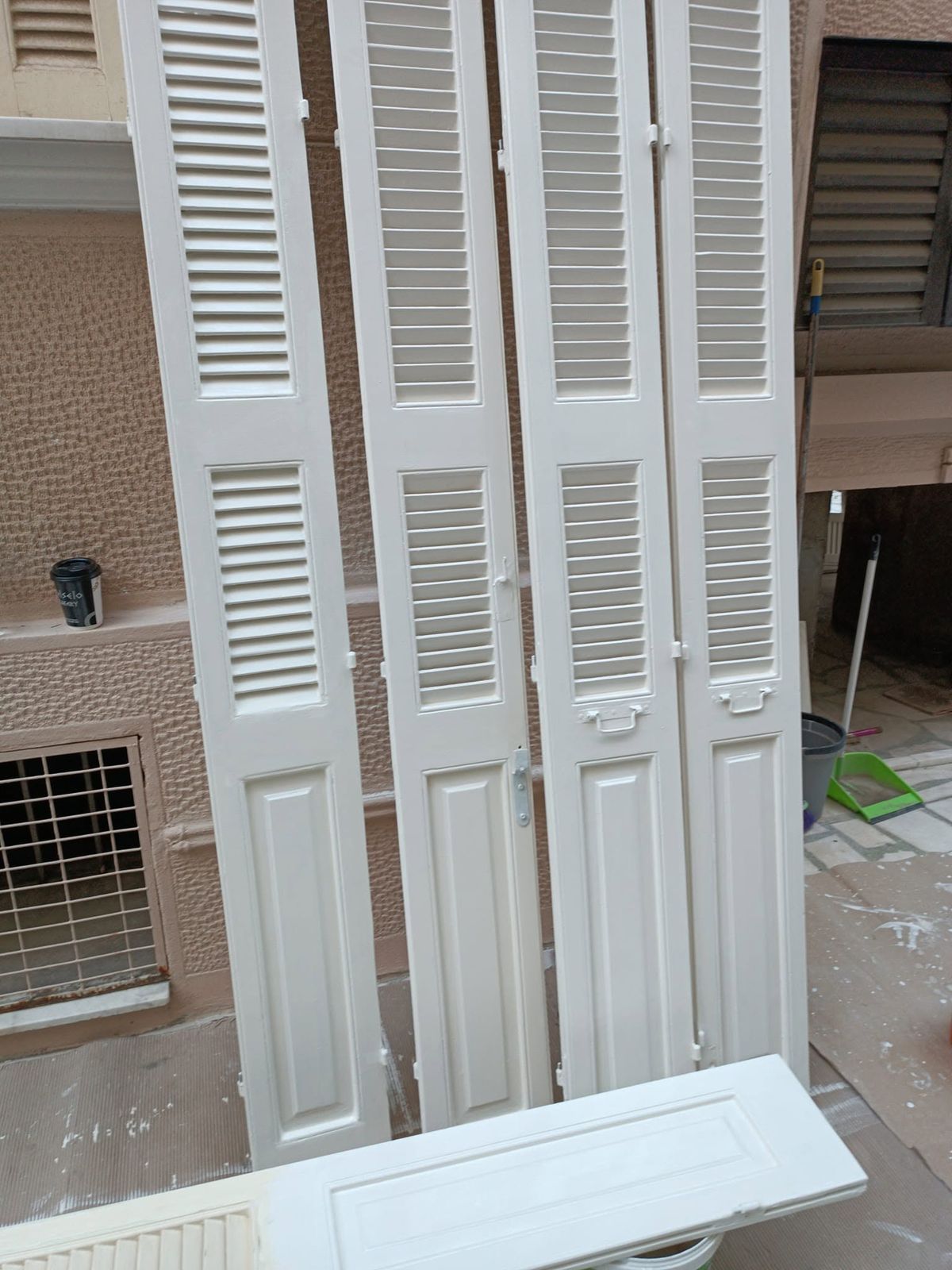 Restoring Wooden Shutters
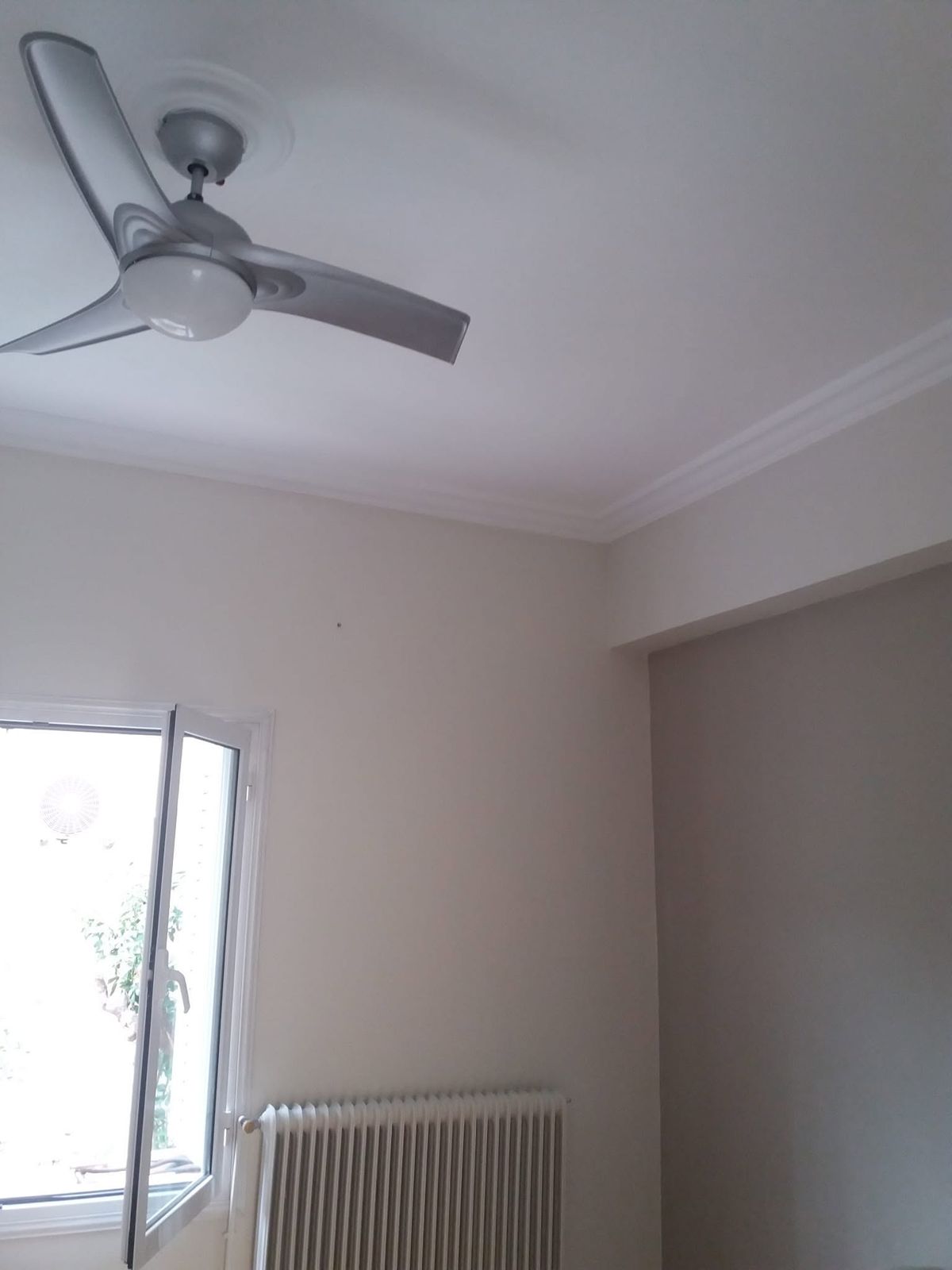 Damp Walls and a Collapsed Ceiling in an Apartment
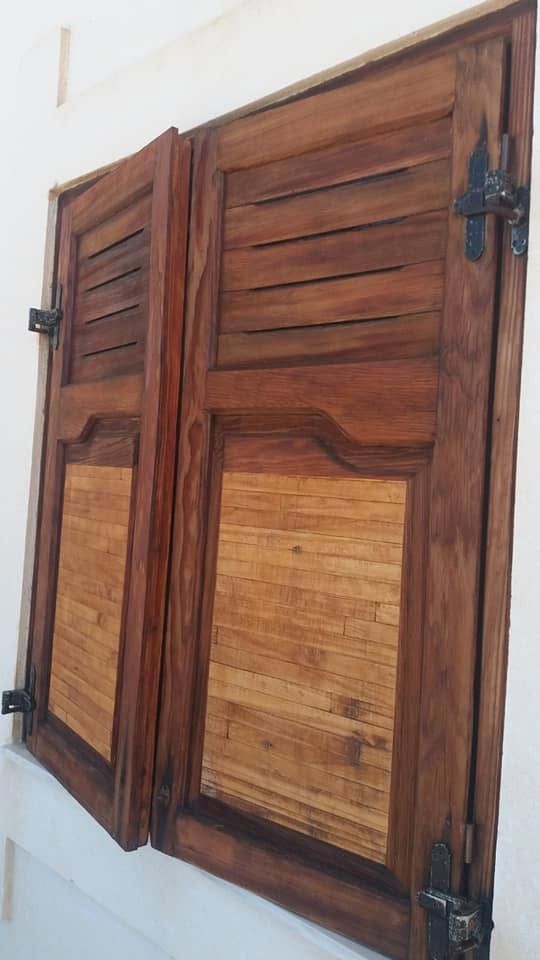 Weathered Wooden Shutters Refinished
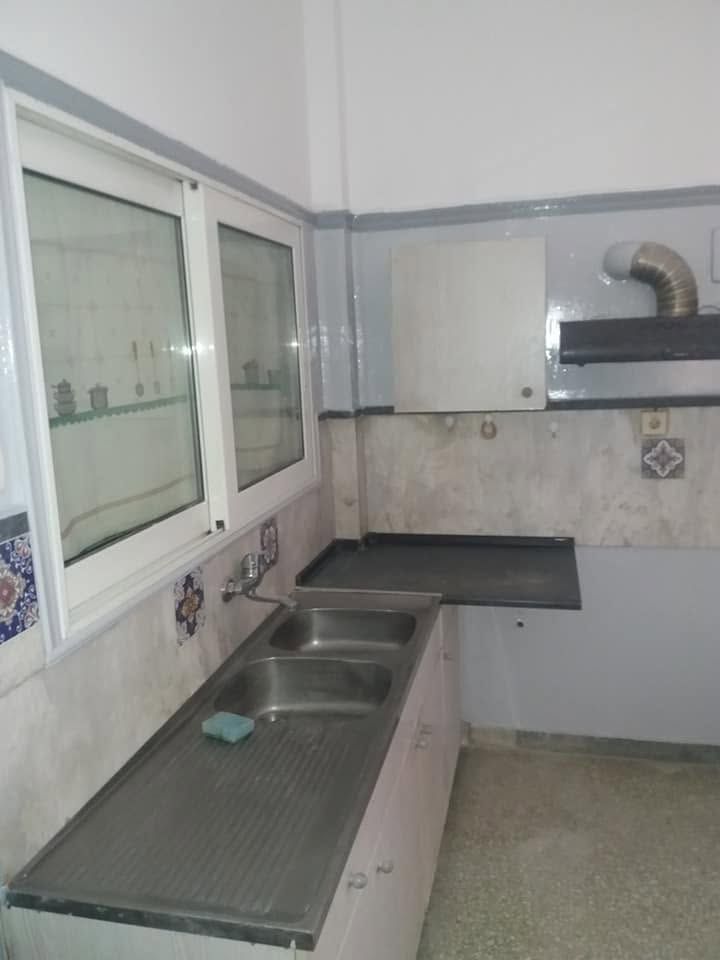 Kitchen Repainted in Grey and White
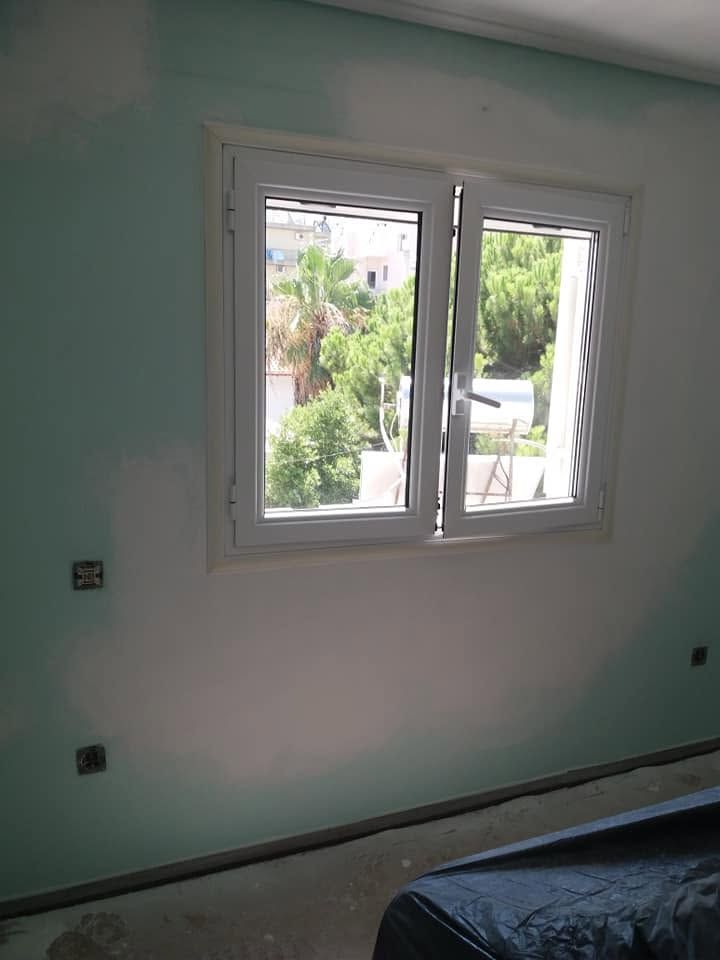 From Mint and Beige to White Walls