Quick answers
Why does roof waterproofing need to go up the parapet walls, and what if the parapet render has cracked?
If waterproofing stops flat on the floor, rainwater enters through the floor-to-wall corner or through cracked parapet render and runs underneath the membrane. Loose render on the parapets must be repaired first, and the waterproofing turned up the walls.
One of the most common mistakes on flat roofs is waterproofing only the horizontal floor while ignoring the parapet walls around the perimeter. In driving rain, parapets soak up water. If their render is cracked or the corner where the floor meets the wall has opened up, water slips behind the roof membrane and reaches the top-floor ceiling.
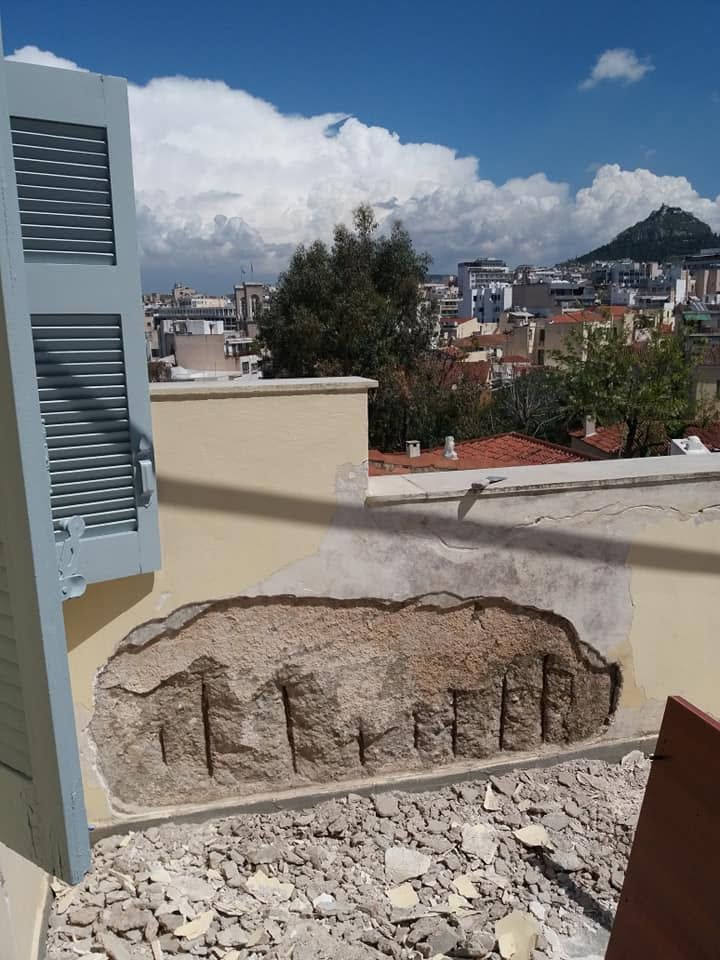
On this terrace, the parapet walls had black damp stains and blistered render. Before any waterproofing went onto the floor, all hollow render on the parapets was hacked off back to the bricks, re-plastered, smoothed and painted, and only then was the terrace floor sealed in white.
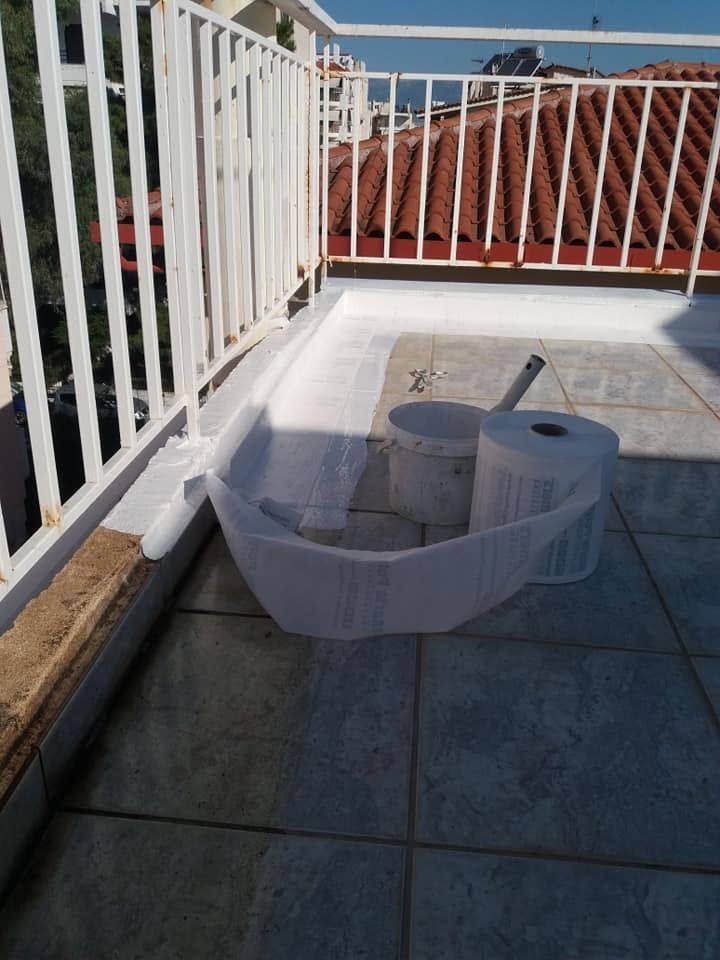
Even on tiled terraces, the perimeter joint where the floor meets the parapet beneath the railings needs to be cleaned out and sealed with fabric-reinforced waterproofing turned up the wall so the roof acts as a watertight tray.
Jobs that show it
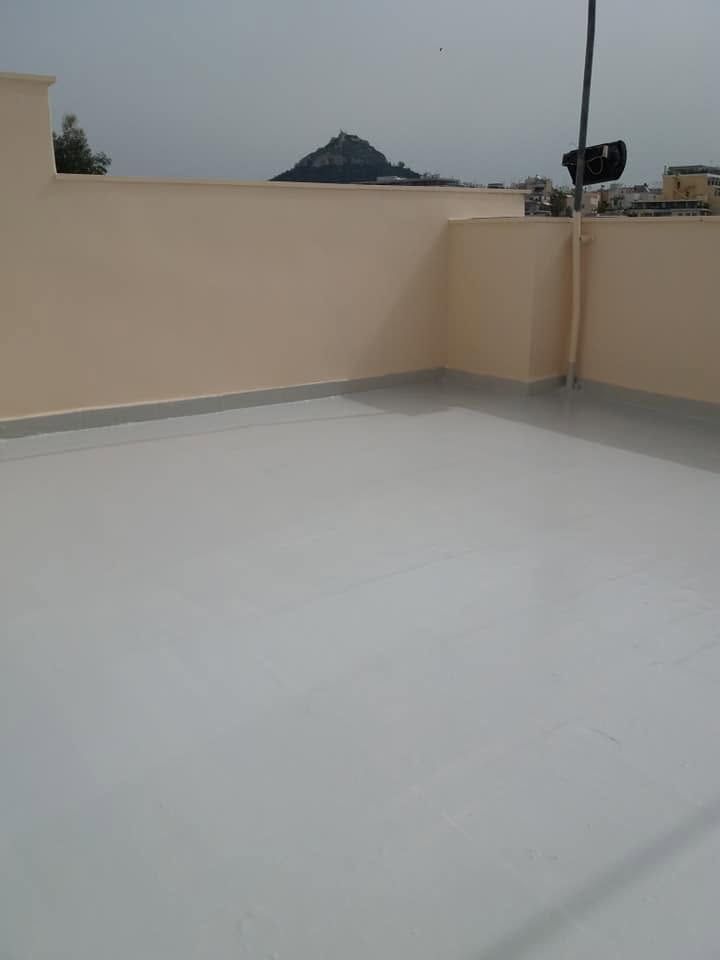
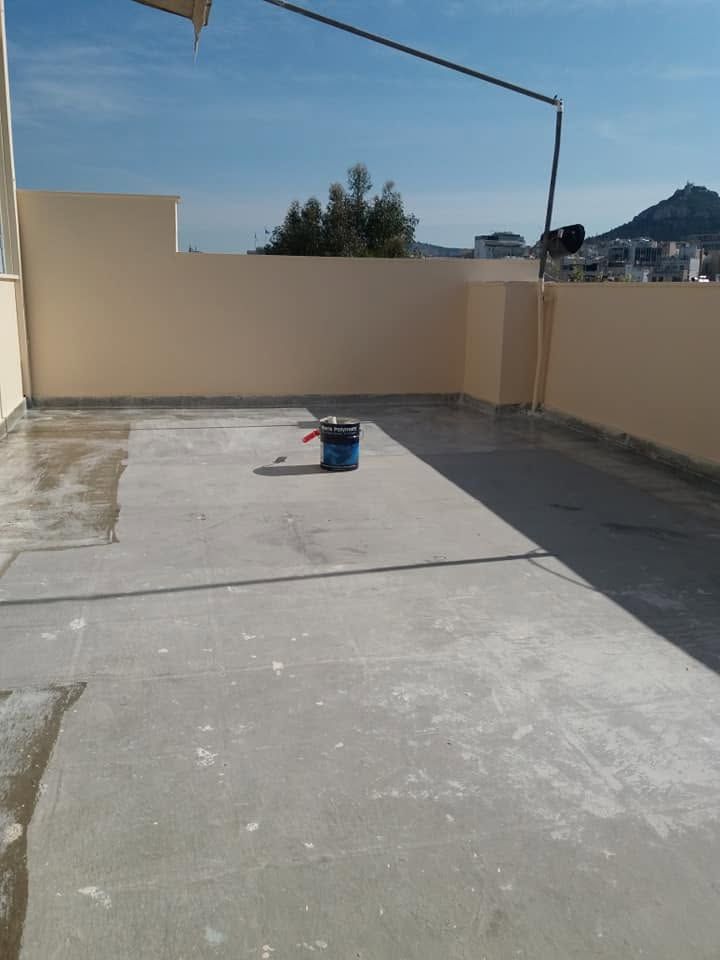
Parapet Repairs and Terrace Waterproofing
The parapet walls were damp, with cracked render and black stains. They were repaired and painted, and the terrace floor was waterproofed with a white coating.
See the job step by step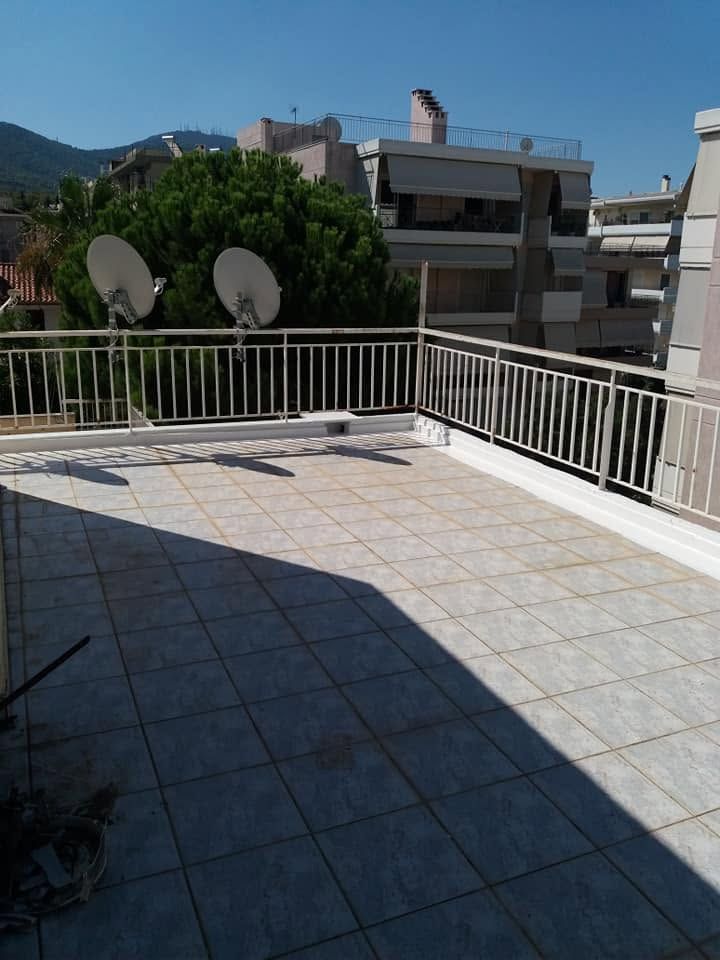
Sealing the Edges of a Tiled Terrace
The joint between floor and parapet had opened up under the railings. It was cleaned out and sealed with a white waterproof coating reinforced with fabric.
See the job step by step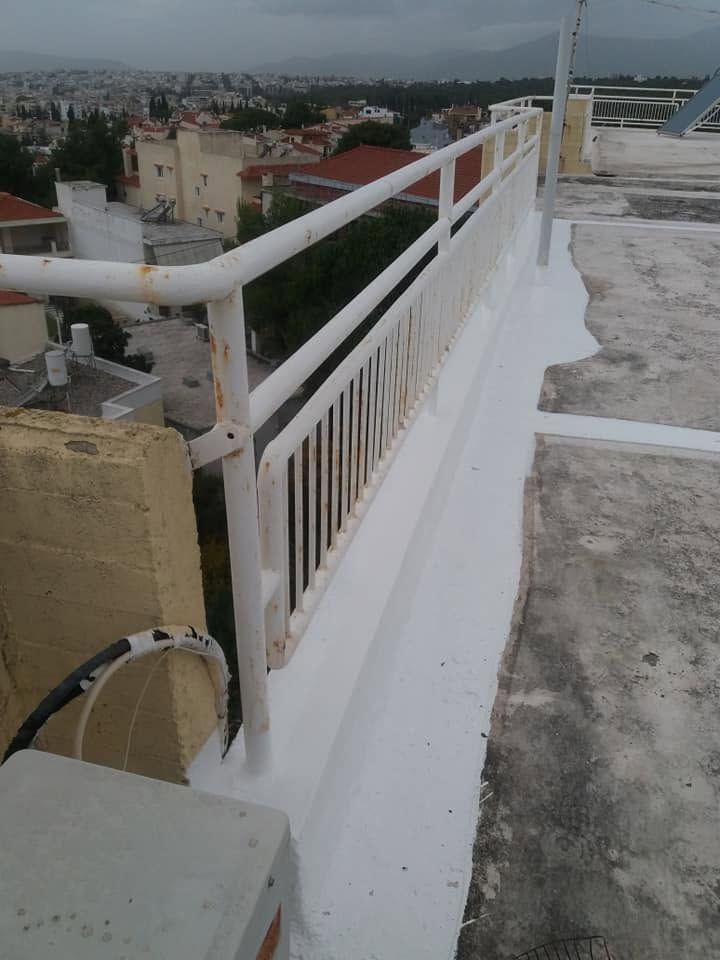
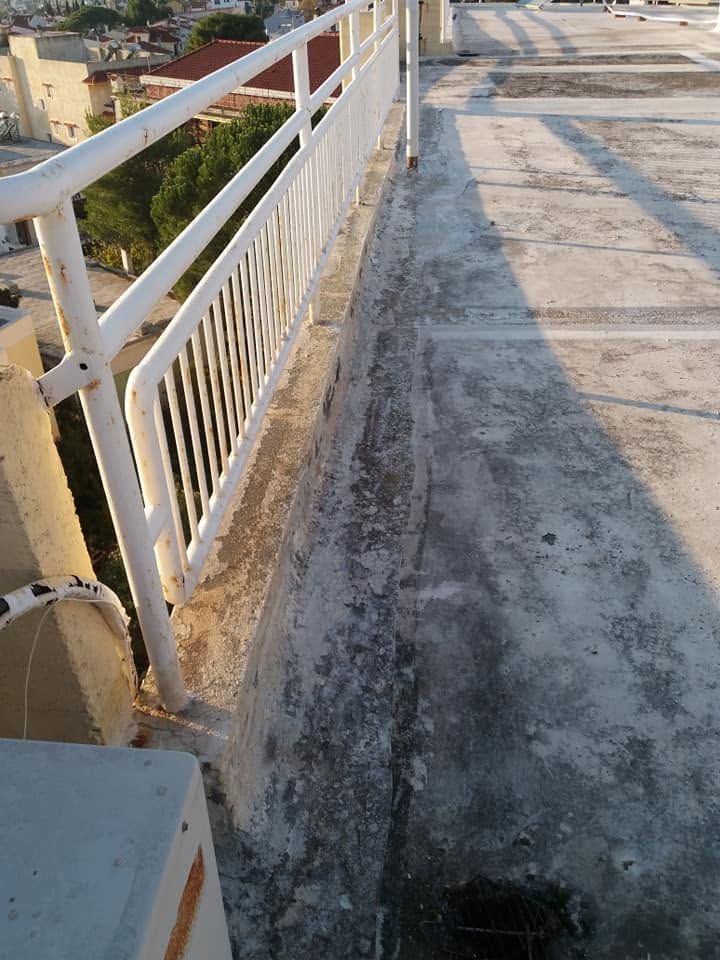
Sealing the Joints and Edges of a Roof Terrace
Crumbling edges under the railings and joints that had opened up. The perimeter and the joints were sealed with a white waterproof coating.
See the job step by step